Robert Carter III, Ph.D., MPH, is an Army officer, an adjunct professor of emergency medicine at the University of Texas Health Science Center, and an expert on human physiology and performance. Dr. Carter has a doctorate in biomedical sciences and medical physiology, a master of strategic studies, and a master of public health. He has published more than 100 peer-reviewed articles, book chapters, abstracts, and technical reports, and his research has been covered in news outlets such as The Washington Post, Fox News, and USA Today. Dr. Carter is a Life Member of Alpha Phi Alpha Fraternity, Inc., a Life Member of the National Infantry Association, a Life Member of the Society of White House Military Aides, a Life Member of the Veterans of Foreign Wars, and a member of the inaugural class of Gates Scholars. Dr. Carter has published over 100 peer-reviewed articles and book chapters.
Author Q&A
What is the name of your latest book and what inspired it?
My upcoming book is The Convenience Trap: How to Regain Control in a World of Instant Gratification, scheduled for release in September 2026. The book was inspired by what I have observed in modern culture. We live in a society driven by speed, comfort, distraction, and instant access to almost everything. While convenience can improve life in some ways, it can also weaken discipline, focus, resilience, and intentional living. I wanted to write a book that challenges readers to think critically about the hidden costs of convenience and reclaim control over their minds, habits, and lives.
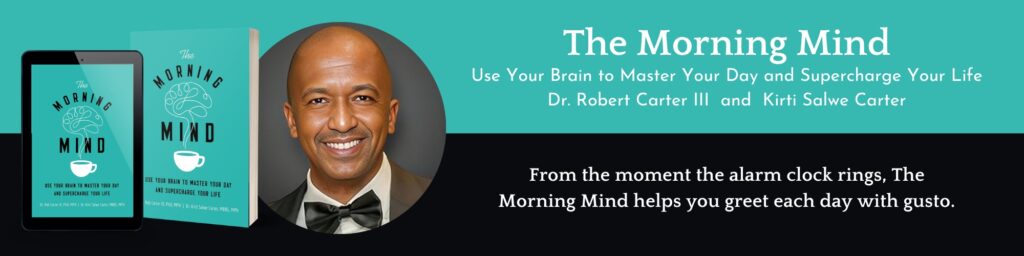
I also previously released The Morning Mind: Use Your Brain to Master Your Day and Supercharge Your Life in 2019, which focused on mindset, mental performance, and building intentional daily habits.
Is there a message in your book that you want readers to grasp?
Absolutely. The central message of The Convenience Trap: How to Regain Control in a World of Instant Gratification is that convenience should never come at the expense of personal growth, discipline, or mental freedom. Many people have unknowingly become dependent on comfort, distraction, and instant gratification, and it is affecting mental health, productivity, relationships, and purpose. I want readers to understand that intentional living requires awareness, discipline, and the courage to resist unhealthy patterns created by modern culture.
What inspired you to write your first book?
My first book, The Morning Mind: Use Your Brain to Master Your Day and Supercharge Your Life, was inspired by my interest in human behavior, mindset, performance, and health. I became fascinated by the idea that the way people begin their mornings often shapes the quality of their decisions, focus, energy, and productivity throughout the day. I wanted to create something practical that would help readers strengthen their mindset and take greater control over their lives.
What has influenced you the most as a writer?
I have been influenced by science, psychology, philosophy, leadership, faith, and the study of human behavior. I enjoy exploring how mindset, habits, culture, and environment shape the way people think and live. My writing is also influenced by real world observation and my desire to help readers apply complex ideas in practical and meaningful ways.